

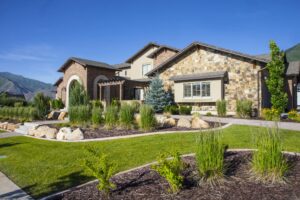
 Pest infestations typically start outside with the landscaping rather than indoors. For rental property owners, whether pests view a place as a home or a hazard is largely dependent on how a yard is designed and maintained. Reducing shelter, moisture, and food supplies before pests ever reach the building is the main goal of rental pest prevention. Owners can lower infestation risk, save money on extermination, and safeguard both property value and tenant satisfaction with regular landlord yard maintenance.
Why Landscaping Is a Front-Line Defense Against Pests
An outside-in issue is pest infestation. To put it another way, a lot of the most common pests rely on outdoor spaces for breeding, nesting, and building access. In actuality, crowded yards, wet soil, and overgrown vegetation all provide ideal conditions for insects and rodents to thrive.
Therefore, it makes logical sense that correcting the environments that allow pests to flourish is one of the most effective ways to reduce pest infestation. For rental property owners, that indicates taking a close look at your property’s landscaping and making significant adjustments. The benefit is that by examining landscaping as part of your overall pest-prevention strategy, you can more successfully address pest problems before they get out of hand.
Keep Plants and Shrubs Clear
Keeping pests away from the rental home involves maintaining a distance between landscaping greenery and the home’s exterior. Contemplate shrubs, trees, and vines that touch siding, roofs, or siding as organic bridges that allow pests to enter. You can eliminate these easy access points and enhance ventilation throughout the house by making a noticeable space between greenery and structures. Regular trimming reduces the attractiveness of your rental property to insects and rodents.
Choose Mulch Wisely (and Use It Sparingly)
Mulch is important for flower beds because it improves attractiveness and moisture retention. However, if you apply too much mulch or select the incorrect type, it might also attract pests. Regrettably, insects and small animals find great refuge in heavy levels of organic mulch.
Try the following to deter these pests from visiting the yard on your property:
- Mulch should be used sparingly and kept away from foundations
- Taking into account gravel or stone alternatives close to structures
- Avoiding constant moisture buildup in landscaped beds
By doing this, you may maintain your property’s curb appeal without attracting harmful pests.
Improve Drainage to Eliminate Moisture Problems
Another common issue that attracts pests is stagnant water. Mosquitoes, termites, and other moisture-loving pests are pulled to puddles and pooling water, and can cause hordes of pests to appear very rapidly.
The ideal approach to eliminate these pests is to make easy landscaping fixes that promote proper drainage. For illustration, ensure your landscaping has proper grading, clear downspouts, and well-placed drainage solutions. These minor adjustments can both prevent pests from entering the house and drastically reduce pest activity outdoors, as well as keep them from getting in.
Rethink Lawns and Ground Cover
Although they have a lovely appearance, lawns and ground cover look beautiful, but are also natural elements that tend to attract unwanted pests. This is particularly relevant if they are not steadily maintained. Pests have many places to hide, such as tall grass, leaf piles, and unmanaged ground cover. Because they tend to reduce the number of opportunities for common pests, maintenance like routine mowing and seasonal cleanup is particularly crucial.
If lawn maintenance is a problem, you might want to think about using attractive yet practical hardscaping elements. For instance, clear perimeters around foundations, gravel borders, stone walks, and decorative stone or rock can all increase aesthetic appeal while reducing both maintenance and hiding spots for pests. For a beautiful effect, hardscaping can be utilized either by itself or in conjunction with plants. In either case, the secret to reducing your property’s attraction as a long-term habitat for unwanted pests is consistent landscape maintenance.
Smart Management Leads to Fewer Pest Problems
Careful landscaping is more than simply aesthetics. It’s also about protecting your property from unwanted pests. You may reduce infestations, save maintenance expenses, and keep your tenants comfortable by making pest prevention, landscaping, and regular landlord yard maintenance a priority.
Get in touch with your local property management experts in Framingham agency right now if you’re prepared to upgrade your rental property’s landscaping strategy. Our team can help rental property owners like you safeguard your properties with smart landscaping options. Contact us online or call 508-329-6000.
This content is provided for general informational and educational purposes only and does not constitute financial, legal, tax, or investment advice. Readers should consult with licensed professionals regarding their specific circumstances.
We are pledged to the letter and spirit of U.S. policy for the achievement of equal housing opportunity throughout the Nation. See Equal Housing Opportunity Statement for more information.
